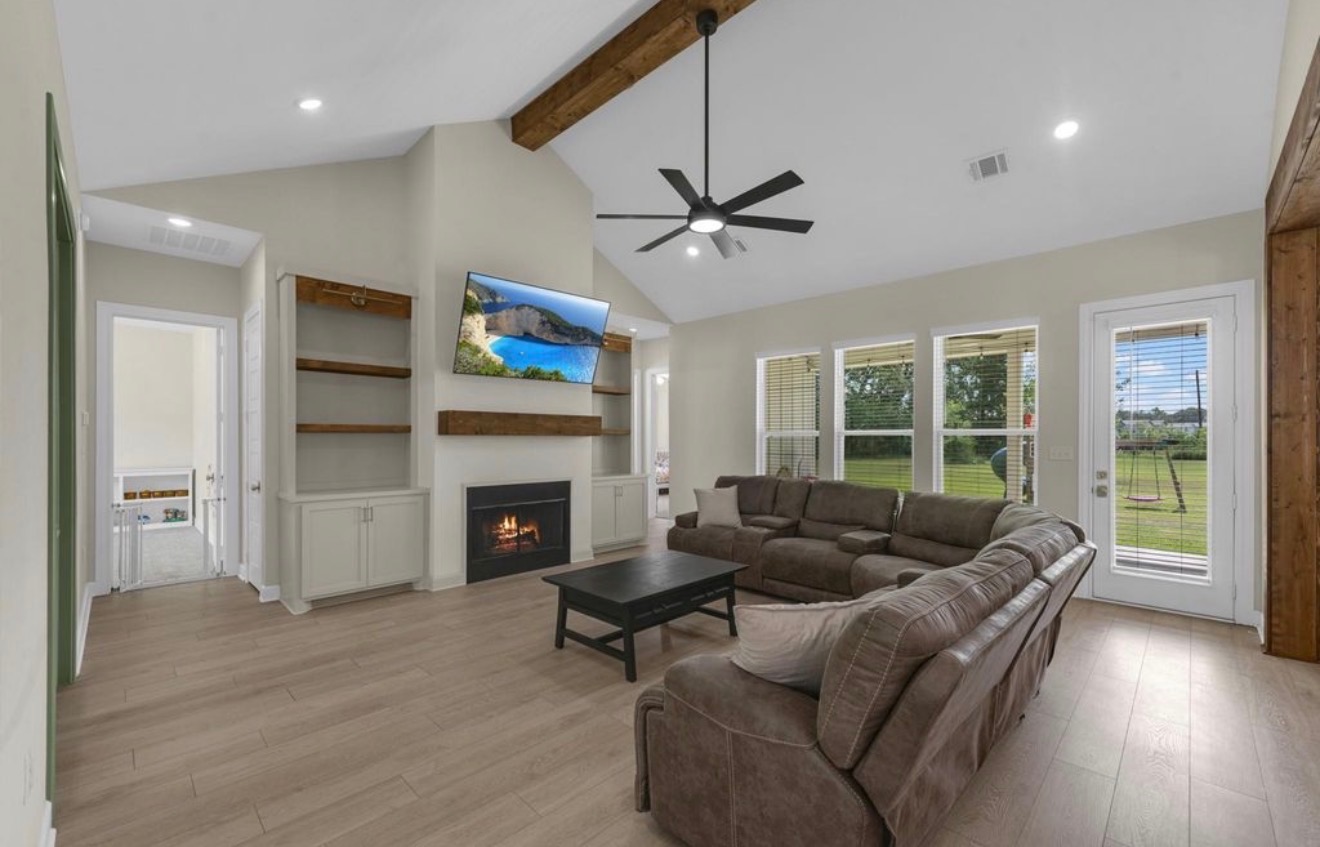
If you own a home in the Heights, you probably already know it is not an ordinary Houston house. It might be a 1920s bungalow you have restored board by board, a Victorian with a deep front porch, or newer construction on a lot that used to hold something else. That history is part of what buyers love. It is also part of what they will question.
Heights buyers tend to arrive well informed. Many have toured a dozen homes nearby, and some have already talked to an inspector or a contractor about the kind of house they want. So selling well here comes down to three things: a price that holds up next to the right comparisons, prep that fixes what buyers will actually notice, and clear answers about the history of your house and your lot.
This guide walks through each one, so you can go into your listing with fewer surprises.
Price against the right comparisons
The fastest way to misprice a Heights home is to average the price per square foot of everything that sold nearby. In a neighborhood that mixes original cottages, renovated older homes, and new builds, two houses of the same size can be worth very different amounts.
When you look at recent sales, ask whether each one really compares to yours:
- Age and type. An original bungalow, a restored bungalow with an addition, and a new two-story are three different products, even on the same street.
- Condition and updates. A kitchen, roof, plumbing, or electrical update done recently and with permits carries more weight than cosmetic work.
- Lot size and what the lot allows. Buyers, and especially builders, care about how large the lot is and what can be built on it. Historic district rules, deed restrictions, and minimum lot size or building line rules can all shape that.
- Flood history and location. A home that has never taken on water, on a block outside the mapped floodplain, will be judged differently from one that has.
Start with homes that actually closed recently, not asking prices on homes that are still sitting. If you want a sense of the wider Houston market right now, including inventory and how sales are trending, our post on selling your Houston home when supply is high covers the latest Houston Association of Realtors figures. Your Heights number, though, comes from your street and your house.
Contributing or noncontributing can matter
If your home sits in one of the city's three Heights historic districts (East, West, or South), the City of Houston classifies buildings as contributing or noncontributing to the district's historic character. According to the city's Certificate of Appropriateness page, an addition or alteration to either type needs city approval, while demolishing a contributing structure also requires approval and demolishing a noncontributing one does not.
That difference can change who your buyer is. A builder looking for a lot to rebuild will see a noncontributing house differently from a contributing bungalow. Know which one you have before you set a price, and confirm it with the city's Planning and Development Department rather than guessing.
Prep: fix what Heights buyers will notice first
You do not need a renovation to sell. You do need to remove the reasons a buyer might walk away or ask for a big credit. Older homes have a few predictable pressure points.
Foundation and drainage
Older homes often come with foundation questions. Expect buyers to ask about leveling, past foundation work, and how water drains around the house. If you have had foundation work done, gather the invoices and any warranty paperwork. If water pools near the house after a storm, a gutter fix or regrading is usually cheaper before listing than as a negotiated credit later.
Texas law puts these topics on the table anyway. The Seller's Disclosure Notice in Section 5.008 of the Texas Property Code asks whether you are aware of conditions such as previous structural or roof repair, improper drainage, water damage not caused by a flood, and termite or wood rot damage. It also asks about past flooding, flood insurance, and whether the property sits partly or wholly in a mapped floodplain.
Work done without permits
The same disclosure notice asks whether you are aware of room additions, structural changes, or other alterations or repairs made without the necessary permits or not in compliance with building codes in effect at the time. In a neighborhood where many homes have been expanded or rewired over the decades, this question comes up often.
If you know of unpermitted work, talk with your agent early. Sometimes it makes sense to get the work permitted before listing. Other times the better path is to disclose it clearly and price with it in mind. What does not work is hoping no one asks. A buyer's inspector may spot it, and surprises late in the deal are what cause contracts to fall apart. For anything that touches legal exposure, a real estate attorney can tell you what applies to your situation.
Historic district limits on exterior fixes
If your home is in a historic district, be careful with last-minute exterior projects. The city says a Certificate of Appropriateness is required for projects that alter the exterior appearance of a designated property, while ordinary maintenance and repair generally does not need one. The city also publishes separate worksheets for window replacement and for Heights additions, which tells you windows and additions get a close look.
Painting, repairing rotted trim with matching material, and fixing a porch railing are very different from swapping out original windows or enclosing a porch. If you are unsure, the city's Houston Office of Preservation encourages owners to contact staff early, before finalizing any design. Our Houston Heights realtor guide explains the historic districts, deed restrictions, and lot rules in more detail.
The easy wins
For most homes, the best return comes from simple work:
- Fresh paint where walls are scuffed or colors are very personal
- Clean, working gutters and a tidy front yard and porch
- Replaced light bulbs, tightened hardware, and fixed sticking doors and windows
- Less furniture, clear counters, and closets that are not overflowing
- Professional photos that are bright, level, and honest about the space
What buyers will ask, and how to be ready
The best way to earn trust with a Heights buyer is to answer questions before they are asked. Put together a simple folder with:
- Ages of the big systems: roof, HVAC, water heater, and electrical panel, with receipts if you have them
- Foundation history: any leveling or repair work, who did it, and any warranty
- Permits: for additions, remodels, and major system replacements
- Flood history: whether the home has ever taken on water, and any insurance claims
- Historic district paperwork: any Certificate of Appropriateness you received for past work
- Deed restriction documents: whatever you received at closing or from your title company
Buyers can also check flood information themselves. The Harris County Flood Education Mapping Tool shows mapped floodplains by address, and FEMA's Map Service Center has the official flood maps. Look your address up before you list so nothing on those maps catches you off guard.
Choosing a listing agent for a Heights home
A good Heights listing agent should be able to explain, in plain language, which recent sales they would use to price your home and why, what the rules on your lot mean for likely buyers, and what they would fix and leave alone before listing. Ask how they would handle questions about permits, foundation work, and flooding, and listen for specifics.
Our broader guide on how to choose a realtor in Houston covers the interview questions and how to check a license with the Texas Real Estate Commission. If your home was already listed and did not sell, start with our guide to what to change before you relist.
In the Heights, the sellers who do best are the ones who tell their home's story honestly, with the paperwork to back it up.
FAQ
How do I price my house in Houston Heights?
Use recent closed sales of truly similar homes: same general age and type, similar condition and updates, and comparable lot size and location. Avoid relying on a neighborhood average price per square foot, because Heights homes vary so much. Adjust for flood history and for what the lot allows a buyer to build.
What should I fix before selling my Heights home?
Focus on what buyers and inspectors notice first: drainage around the house, gutters, obvious wood rot, sticking doors and windows, and scuffed paint. Gather records for any foundation, roof, or system work. Check whether exterior projects need city approval if your home is in a historic district.
Do I have to disclose unpermitted work when selling in Texas?
The Texas Seller's Disclosure Notice asks whether you are aware of additions, structural changes, or repairs made without necessary permits or not in compliance with building codes at the time. Answer honestly. Talk with your agent about whether to permit the work or disclose and price for it, and ask a real estate attorney about your specific situation.
Can I replace windows before selling a house in a Heights historic district?
Possibly, but check first. The City of Houston requires a Certificate of Appropriateness for projects that change the exterior appearance of a property in a historic district, and it publishes a specific worksheet for window replacement. Ordinary maintenance and repair generally does not need one. Contact the Houston Office of Preservation before you start.
Will buyers ask about flooding in the Heights?
Yes, almost always. The Texas Seller's Disclosure Notice asks about past flooding, flood insurance, and floodplain location. Look up your address on the Harris County Flood Education Mapping Tool and FEMA's Map Service Center, and have any records ready.
Let's talk about your Heights home
You have probably poured a lot of care into your house. Selling it well means pricing it honestly, getting ahead of the questions, and presenting its story clearly.
At Lanza Realty Group, we start by listening: to why you are selling, when you need to move, and what makes your home special. If you would like a calm, honest look at pricing and prep before you list, we would be glad to talk.