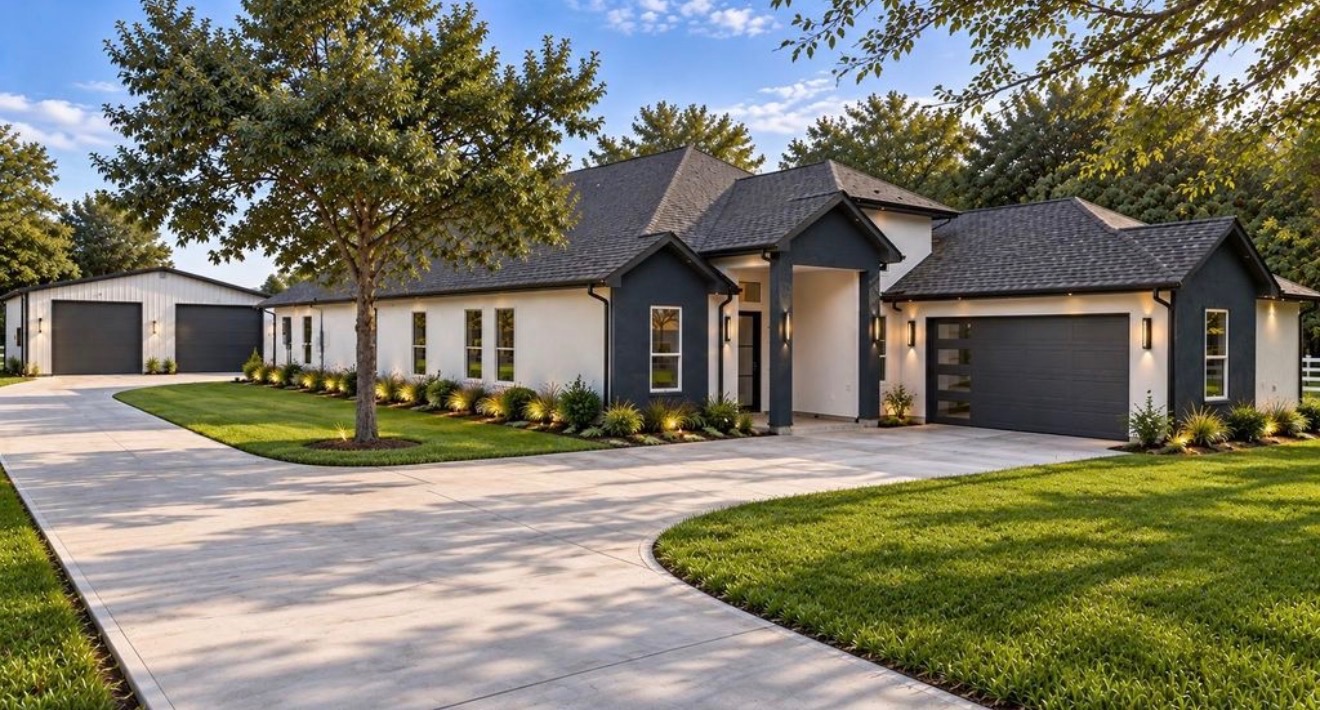
The Heights has a way of pulling people in. Maybe it was a walk down a tree-lined street past porches and bungalows, a Saturday on the hike-and-bike trail, or simply the feeling that this part of Houston has a rhythm of its own. Whatever brought you here, you are now looking for someone to help you buy or sell, and you want that person to actually know the neighborhood.
That is a good instinct. The Heights is not a generic Houston subdivision. Two houses on the same block can come with very different rules about what you can build, change, or tear down. A good local agent helps you see those differences before they become surprises.
This guide walks through what a Houston Heights realtor should know, the questions worth asking, and how we approach this work at Lanza Realty Group.
Why the Heights asks more of your agent
Most of the Heights' character comes from its history. That history also shows up in paperwork. Depending on the exact address, a home can be affected by city historic district rules, private deed restrictions, special lot size or building line rules, and flood maps. None of these are reasons to avoid the Heights. They are reasons to work with someone who checks them early.
An agent who works the area regularly should be able to talk through each one in plain language, and tell you where to confirm the details yourself.
What a Houston Heights realtor should know
Historic district rules
The City of Houston has three historic districts in the former city of Houston Heights: Houston Heights Historic District East, Houston Heights Historic District West, and Houston Heights Historic District South. They share one set of design guidelines published by the city.
If a property is inside one of these districts, many exterior changes need a Certificate of Appropriateness (often called a COA) from the city before work starts. According to the city, that includes altering exterior features, building an addition, constructing a new structure in a historic district, and relocating or demolishing a structure. Some projects can be approved by staff, while others go before the Houston Archaeological and Historical Commission, which meets monthly. Ordinary maintenance and repair are generally exempt.
Not every Heights address is inside a historic district, so this is one of the first things a good agent checks. If you are a buyer dreaming of a second story or a big back addition, you want to know which rules apply before you write an offer, not after you close.
Deed restrictions
Deed restrictions are private rules attached to a property, separate from city ordinances. In the Heights, they can affect things like how many homes can sit on a lot and how far a house must be set back from the street.
For example, the Houston Heights Association publishes a Joint and Mutual Restrictive Covenant Agreement. For properties it covers, it limits density to one residence for every 5,000 square feet of lot area, with an exception for lots that were already smaller when the agreement was signed for that property. A garage apartment that goes with a home does not count as a separate residence under that agreement.
Whether a specific property is covered by this agreement or by other restrictions is something to confirm through the title work and the documents for that address. Your agent should flag it early, and your title company or a real estate attorney can confirm what applies.
Special minimum lot size and building lines
The city also has neighborhood tools that can protect the pattern of a block. The Special Minimum Lot Size and Special Minimum Building Line programs let neighbors ask the city to set a minimum lot size or front setback for future development on their block or area.
According to the City of Houston Planning and Development Department, these rules do not force existing lots or homes to change. They shape what can be created or built going forward. If you are buying a lot to build, or selling to someone who might subdivide, this matters a great deal. The city's site explains how to look up whether a block is inside one of these boundaries.
Flood risk, address by address
Parts of the Heights sit near White Oak Bayou and its tributaries, and flood risk can change from one street to the next. Before you fall for a house, look it up on the Harris County Flood Education Mapping Tool, which shows mapped floodplains by address. The Harris County Flood Control District notes that this tool is educational and is not the official flood map; for that, use FEMA's Map Service Center, and ask a lender or insurance agent for an official determination.
Sellers in Texas also complete a written Seller's Disclosure Notice under Section 5.008 of the Texas Property Code, which asks about past flooding, flood insurance, and floodplain location. A good agent makes sure you read it closely and ask follow-up questions.
How Heights homes compare with each other
The Heights mixes original bungalows and Victorians, renovated older homes, and newer construction. Two homes with similar square footage can sell very differently depending on age, condition, lot size, and the rules that apply to the lot. An agent who works the neighborhood should be comfortable explaining why a comparable sale does or does not really compare, instead of just pulling an average price per square foot.
Questions to ask a Heights agent before you hire
Our broader guide on how to choose a realtor in Houston covers the basics, like checking a license with the Texas Real Estate Commission and understanding buyer agreements. For the Heights specifically, add these:
- How do you check whether an address is inside a historic district, and what would that mean for my plans?
- How do you find out about deed restrictions on a property before we make an offer?
- Which recent sales nearby would you use to judge this price, and why those?
- How do you look at flood risk for a specific house?
- If I want to renovate or add on later, how would you help me understand what might be allowed?
- If I am selling, what will Heights buyers look at most closely in my home?
Listen to how they answer. You are looking for specifics and honesty, including "I'll find out" when that is the truthful answer.
If you are selling in the Heights
Heights buyers often come in knowing the neighborhood well. They may ask about the age of the roof and foundation, past flooding, whether the home is in a historic district, and what has been updated. Having those answers ready, with receipts and documents where you can, helps buyers feel confident.
If your home has already been on the market without selling, our guide to what to change before you relist walks through price, presentation, and plan.
How we work at Lanza Realty Group
We are a Houston real estate team, and the Heights is one of the neighborhoods we focus on, along with Montrose and Memorial. Here is what working with us looks like:
- We start by listening. Your goals, timeline, budget, and the things you will not compromise on come first.
- We make a plan together. That means honest conversations about price, the specific rules that may apply to a property, and the tradeoffs between homes.
- We stay with you to the keys. From the first showing or listing appointment to closing day, you will know what is next.
We will not promise you a magic number or pretend every question has a quick answer. We will help you ask the right questions and find the real answers.
In the Heights, the best home is the one that fits your life and the rules that come with the lot.
FAQ
How do I find a good realtor in Houston Heights?
Look for an agent who can explain Heights-specific issues in plain language, including historic districts, deed restrictions, lot size rules, and flood checks. Interview two or three, ask how they would price or evaluate a specific home, and confirm their license on the Texas Real Estate Commission website.
Is my Houston Heights home in a historic district?
Not every Heights address is. The City of Houston has three Heights historic districts, East, West, and South. Check the specific address with the city's Planning and Development Department before you plan exterior changes.
Do I need city approval to renovate a house in the Heights?
If the home is in a city historic district, many exterior changes, additions, new construction, and demolitions require a Certificate of Appropriateness before work begins. Regular building permits may also be required. Ordinary maintenance and repair are generally exempt.
What are deed restrictions in the Houston Heights?
They are private rules attached to a property that can limit things like lot density and setbacks. One example is the Houston Heights Association's restrictive covenant agreement, which limits covered properties to one residence per 5,000 square feet. Confirm what applies to a specific property through its title documents.
How can I check flood risk for a Heights house?
Look up the address on the Harris County Flood Education Mapping Tool and FEMA's Map Service Center, read the seller's disclosure carefully, and ask a lender or insurance agent for an official floodplain determination.
Let's talk about the Heights
Whether you are buying your first bungalow, moving up to more space, or getting ready to sell a home you love, you deserve someone in your corner who takes the details seriously.
At Lanza Realty Group, it always starts with a conversation. Tell us what you are hoping for, and we would be glad to help you find your place in the Heights.